

The creation of Toronto’s first sidewalk is closely associated with Jesse Ketchum, a man whose challenging early life did not deter him from becoming a successful businessman and philanthropist. Despite a difficult childhood, Ketchum found opportunity in Toronto, where he not only achieved his dreams but also discovered his calling in charity. As the owner of a leather manufacturing business, Ketchum took the initiative to improve access for his workers by commissioning the construction of a sidewalk. Learn more on toronto-future.
Jesse Ketchum: A Life of Triumph and Generosity
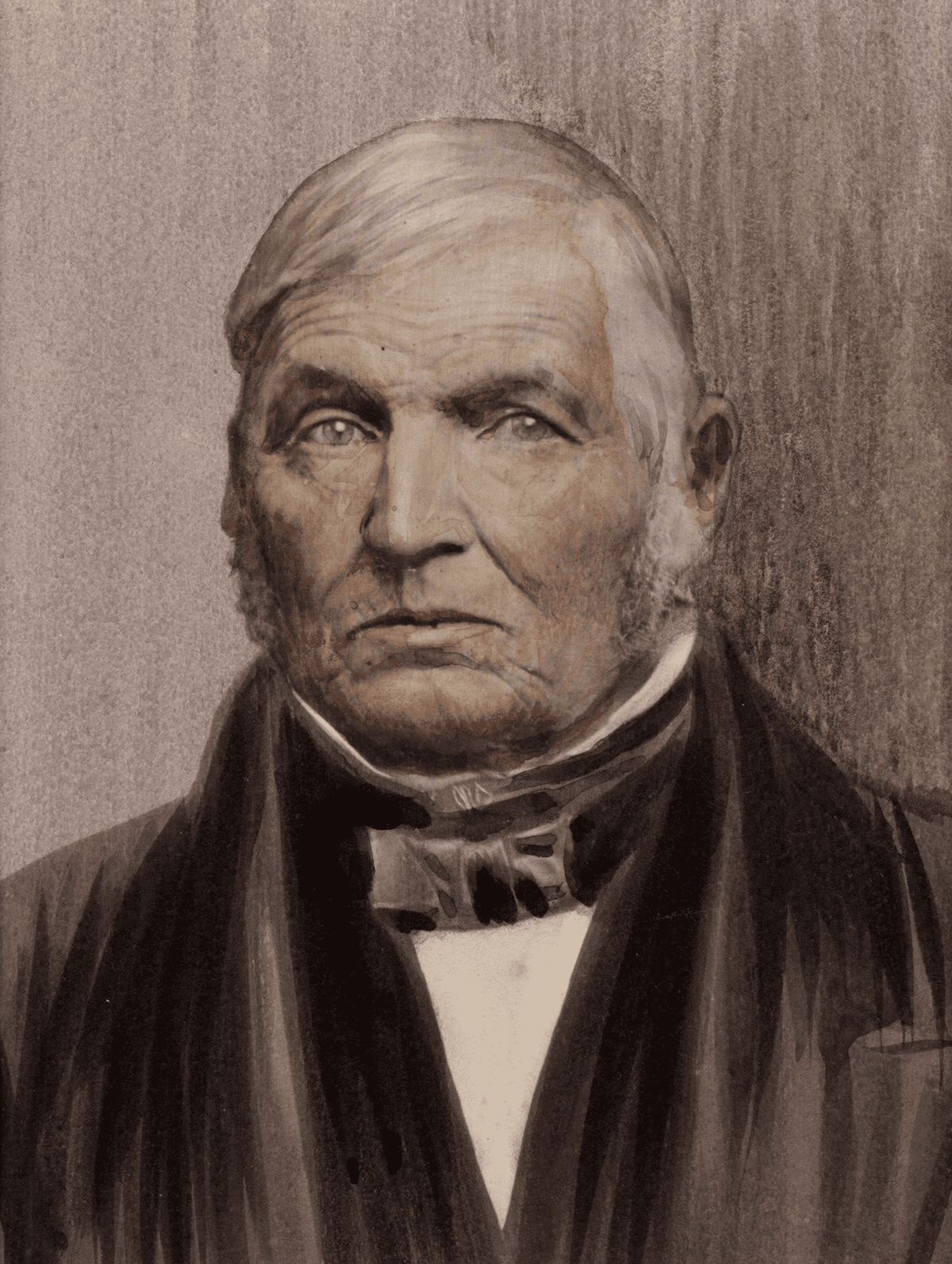
Jesse Ketchum was born on March 31, 1782, in Spencer Town, Columbia County, New York, USA. His mother, Molly Robbins Ketchum, passed away when Jesse was only six years old. He was raised by adoptive parents, but his upbringing was far from happy—he was not allowed to attend school.
At the age of 17, Ketchum moved to Toronto, where his brother, Seneca, had settled in 1796 after purchasing a small farm in the northern part of the city. Jesse learned the trade of tanning from his adoptive father and, in 1812, acquired a leather business from an American who fled to avoid fighting on the British side during the War of 1812. Leather was in high demand during the war, and Ketchum not only managed his business but also joined the 3rd Regiment of York Militia, actively participating in the conflict.
Ketchum’s business thrived, and he soon became a wealthy and respected man. He acquired significant land holdings between King and Queen Streets, as well as Yonge and Bay Streets, encompassing what is now Cloud Gardens Park and Temperance Street. In 1813 or 1814 (the exact date is unknown), Ketchum built a grand house near his leather factory. Resembling a mansion, the house featured a small tower from which Ketchum could watch ships in the harbor, earning admiration from the community.
Charity at the Core: Jesse Ketchum’s Legacy
In the early days, Toronto was more of a small settlement than a bustling metropolis. Basic infrastructure like proper roads, lighting, and public transport was nonexistent. Over time, modest homes gave way to skyscrapers, but the unpaved and uneven streets remained a challenge for both people and vehicles. For Ketchum’s workers, traveling to the factory became increasingly inconvenient.
Recognizing the need for improvement, Ketchum prioritized the development of the area around his home and factory. He pioneered the concept of sidewalks in Toronto by covering a portion of the muddy Yonge Street leading to his factory with tanning bark, ensuring his workers arrived clean and comfortable.
Ketchum was not only a successful businessman but also a deeply respected philanthropist. Known affectionately as the “Father Ketchum” and “Friend of Children,” he invested heavily in education. He donated land for the construction of schools and churches, earning him a lasting legacy as a benefactor of the city.
Later in life, Ketchum relocated his leather business to Buffalo, where he continued his charitable efforts. Schools, parks, and streets were named in his honor, recognizing his enduring contributions. During the U.S. Civil War, he provided financial support to soldiers’ families and assisted cholera victims during the 1849 outbreak.
Fate dealt Ketchum a cruel blow when he contracted an illness after leaving a school he had sponsored. His condition worsened, and he passed away in 1867. Jesse Ketchum’s vision and generosity laid the foundation for significant advancements in Toronto’s infrastructure, and his legacy lives on in the city he helped shape.