

Toronto is one of Canada’s largest and most culturally vibrant cities, known for its unique blend of tradition and modernity. The city is celebrated for its multiculturalism, shaped by a large number of immigrants from around the world. Today, we’re delving into the history of this metropolis, specifically the story of the Leslieville neighbourhood, situated east of the Don River. Find out more on toronto-future.com.
How Leslieville Came to Be
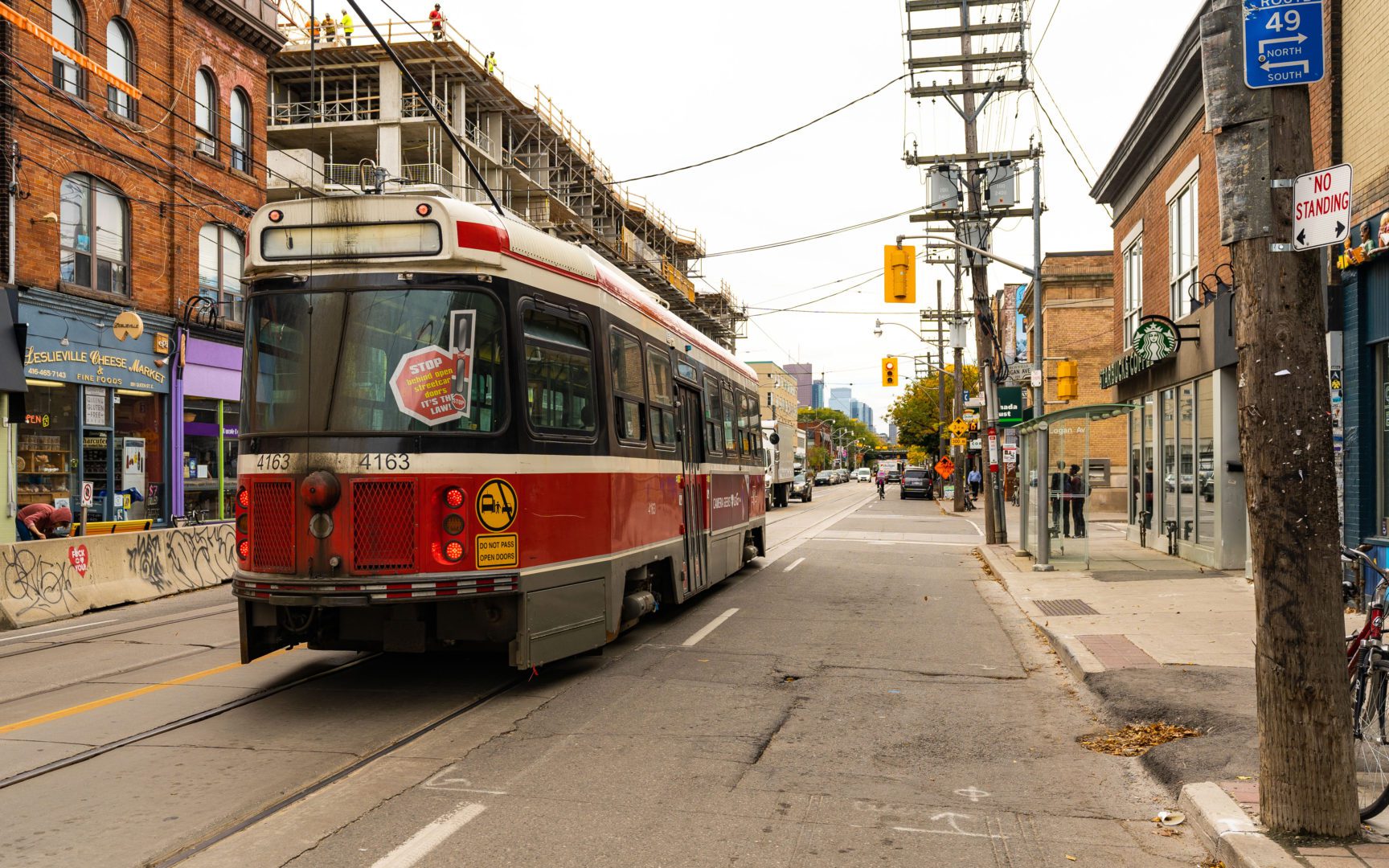
The history of this neighbourhood is quite interesting. Like most Toronto areas, Leslieville began as a simple village. This community was named after George Leslie, an entrepreneur who owned large plots of land in the area.
In the 1850s, Leslie established an agricultural equipment factory here, which became one of the largest businesses in the region. It’s worth noting that most of Leslieville’s residents were gardeners. Many also worked at one of the local brickworks.
Further Development of the Neighbourhood
Leslieville continued to grow. In the late 19th and early 20th centuries, it became an industrial centre. Numerous factories and businesses were located here, driving the area’s economic development. Notably, light industry, metal processing, and tanning operations flourished in the neighbourhood. However, this industrial activity led to poor environmental conditions. In 2000, the A.R. Clarke Tannery even caught fire. The blaze lasted for several days, blanketing the area in toxic ash.
Over time, Leslieville began its transformation from an industrial zone into a residential neighbourhood. Industrial areas are now being actively redeveloped.
It’s also important to mention that the neighbourhood has changed significantly in recent decades. Leslieville was once home primarily to factory workers. But as industrial facilities closed, air pollution decreased. Improved environmental conditions made the area attractive. This is why the neighbourhood became popular among young families and creative professionals. People appreciated Leslieville’s unique atmosphere and its proximity to downtown. Consequently, numerous cafés, restaurants, and shops opened, making Leslieville one of Toronto’s trendiest spots. Film studios and condominiums started appearing, often on the sites of former factories and industrial buildings.
The Modern Era
Today, Leslieville is known for its cultural diversity and vibrant community life. The area frequently hosts engaging cultural events, festivals, concerts, and exhibitions. The neighbourhood also boasts beautiful green spaces, including those along the Don River and in nearby parks, making it an appealing spot for nature lovers and outdoor enthusiasts.
Cafés and restaurants are a highlight in themselves. Leslieville offers a wide array of eateries with delicious cuisine. Some of the most well-known establishments in the area include: Purple Penguin Cafe, Bodega Henriette, Greta Solomon’s, White Lily Diner, Nodo Leslieville, Maple Leaf Tavern, Hastings Snack Bar, and ēst Restaurant. These restaurants and cafés make Leslieville a go-to destination for foodies and anyone who appreciates a cozy atmosphere.
Leslieville is one of the popular neighbourhoods in Toronto’s east end. This part of the city is known for its unique atmosphere and rapid development. The neighbourhood’s location, nestled between the Don River and Lake Ontario, makes it an attractive place for both residents and tourists.
We hope you found this article informative and that you learned more about your city and the development of this well-known neighbourhood.