

Hotels play a crucial role in any city, especially a large one visited by thousands of tourists daily. They serve as a sanctuary for travellers. As you can imagine, Toronto has many such establishments. This popularity dates back centuries, as Toronto has always welcomed newcomers needing a place to stay. Today, we’ll talk about the Windsor Arms Hotel. This is one of Toronto’s most famous historic hotels, blending architectural heritage, luxury, and modern comfort. Read more about the history of the hotel’s creation and development on the toronto-future.com.
The Founding Story of the Windsor Arms Hotel
The story of this hotel began in 1927. Its opening was initiated by hotelier William Arthur Price. The project’s architect was Kirk Hyslop, who designed a four-storey building in the neo-Gothic style. Notably, the hotel harmoniously blended with the architecture of the nearby University of Toronto. It’s important to note that from its very first years, the hotel became a favourite spot for business meetings and social events. Historians note this was due to its refined atmosphere, elegant interior, and renowned Toronto restaurants.
The Hotel’s Heyday and Hardships
The Windsor Arms Hotel was a prominent hotel in Toronto. Indeed, it was a hub of the city’s cultural life. The hotel frequently hosted world-class stars such as Katharine Hepburn, Elizabeth Taylor, Richard Burton, and Woody Allen, among others. In 1976, the hotel had the honour of hosting the Toronto International Film Festival (TIFF). The festival organizers’ specific choice of the Windsor Arms Hotel underscored its prominent status at the time. Unfortunately, hosting such a prestigious event didn’t save the hotel from decline. In the 1980s, the Windsor Arms Hotel changed owners several times. This had a negative impact on the hotel’s operations. In 1991, it was closed. Four years later, George Friedmann acquired the property and initiated a large-scale renovation. Notably, architect Sol Wassermuhl successfully preserved the historic St. Thomas Street façade. While the hotel was substantially rebuilt, private residences were also added to the upper floors. In 1999, the renovated hotel reopened its doors to guests. Additionally, the new interior combined historical elegance with modern amenities: luxurious suites, fireplaces, designer furniture, and a spa complex.
The Modern Era: Has the Hotel Changed?
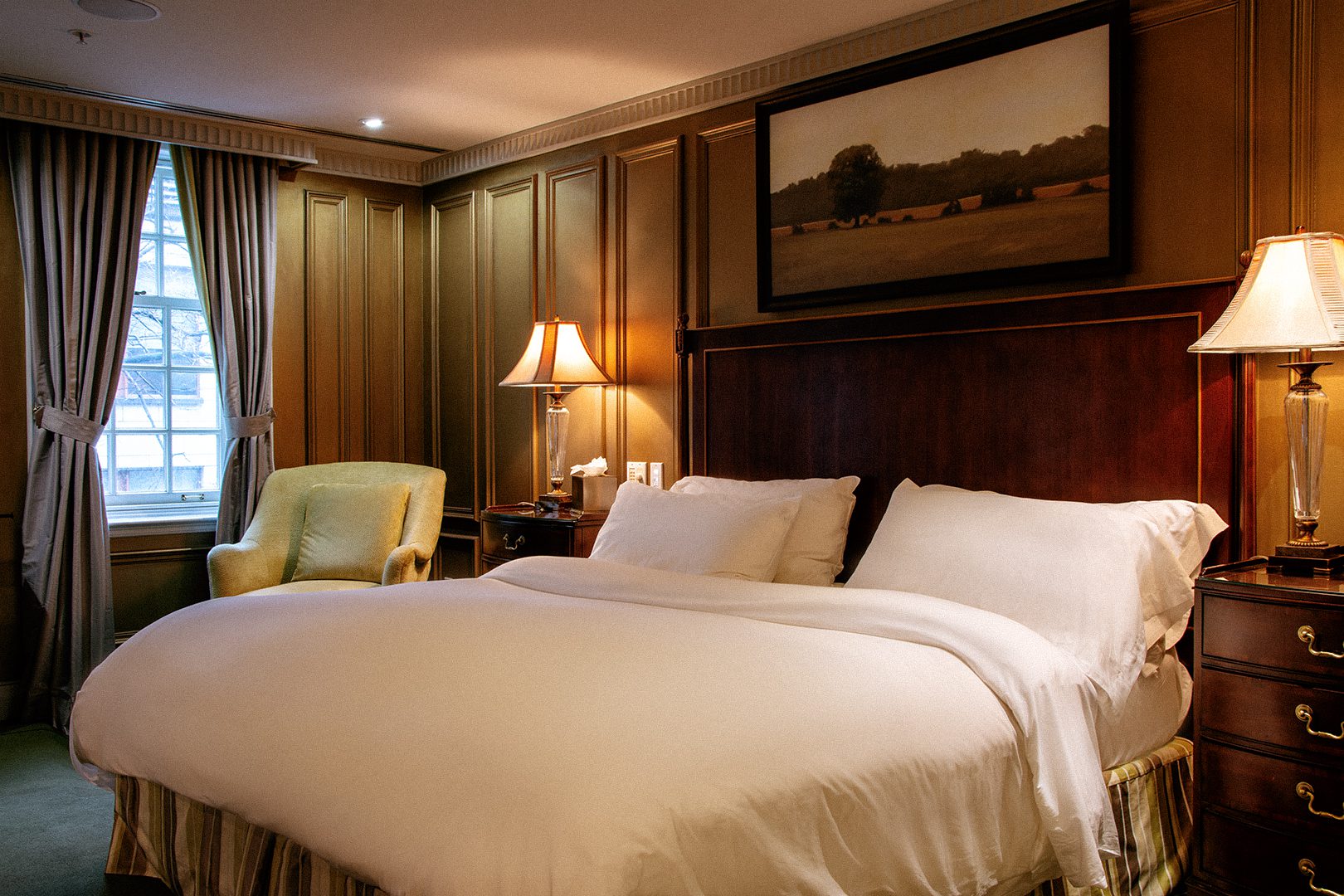
The Windsor Arms Hotel continues to operate today. Moreover, it remains an iconic destination for celebrities, diplomats, business people, and city visitors. The hotel continues to host social events, photoshoots, and even film productions. A subsequent renovation further enhanced the property’s luxury. The design studio Dinel Design infused the interior with even more luxury and contemporary accents while preserving its Old European spirit. Guests of the Windsor Arms Hotel often praise its original neo-Gothic façade on St. Thomas Street. This façade is the hotel’s signature feature, preserving the atmosphere of the 1920s. Particularly noteworthy are the unique stained-glass windows, decorative arches, and stone elements characteristic of the neo-Gothic style. Designers also skilfully incorporated some of the original wooden panelling, fireplaces, and decorative trim. This fusion of modern interiors with these historical elements has artfully created a sense of historic charm blended with contemporary design. The Windsor Arms Hotel is not just a hotel; it’s a part of Toronto’s cultural heritage. Its architecture is stunning, and its service delights visitors. We hope you found this article informative and learned more about your city. Have you ever visited this hotel?