

Toronto is a beautiful, grand city with its own unique history, streets, and neighbourhoods. This city boasts distinctive architecture, a special atmosphere, and remarkable districts. Indeed, every city is unique and unlike any other. Today, we’ve decided to turn the pages of history and learn more about the creation and development of the Yorkville area. Once a village near Toronto, it’s now a luxurious district brimming with prestigious shops and restaurants. Read more about this on toronto-future.com.
The Making of a Prestigious Neighbourhood
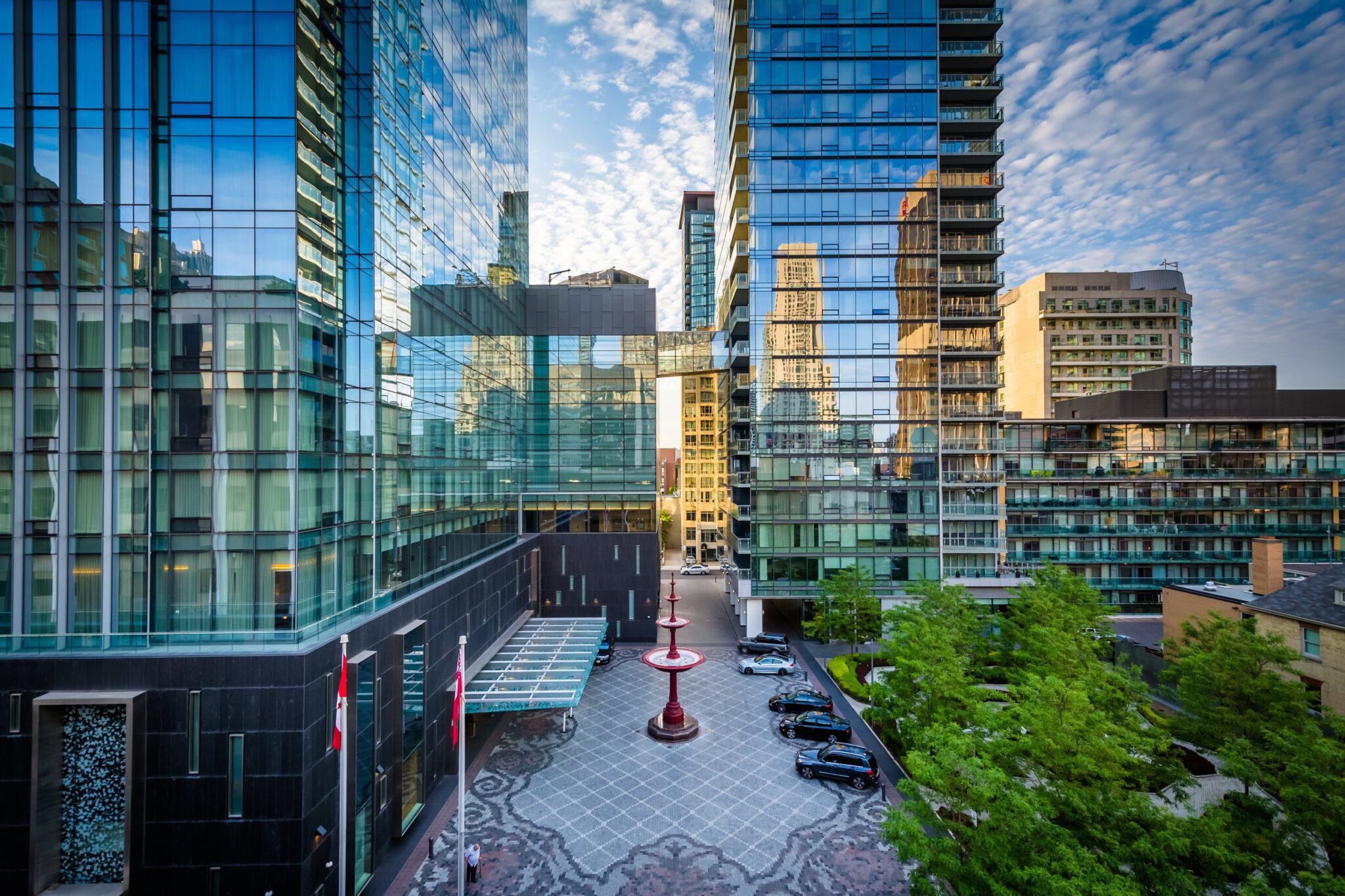
The story of Yorkville began in 1830. The village was founded by entrepreneur Joseph Bloor. Interestingly, Bloor Street, one of Toronto’s main thoroughfares, is named in his honour. William Botsford Jarvis also played a role in the community’s development. Initially, this now-prestigious area was a residential suburb of Toronto. It attracted those who wished to move away from the urban bustle of York (Toronto’s former name). It’s worth noting that the Red Lion Hotel served as Yorkville’s political hub, where elections were commonly held. More and more people moved to Yorkville, and in 1849, the community was connected to Toronto by an omnibus service. By 1853, Yorkville’s population reached 1,000, leading to its official registration as the Village of Yorkville.
How the Village Transformed into a Prestigious Part of Toronto
Years passed, and the population grew. By the 1880s, the local government found it challenging to provide adequate services to Yorkville’s expanding populace. Consequently, they approached the City of Toronto government with a request to annex the village. The annexation took place on February 1, 1883. Yorkville’s name officially changed from the “Village of Yorkville” to “St. Paul’s Ward,” and the former “Yorkville Town Hall” became “St. Paul’s Hall.” At first, little changed in the neighbourhood. Residential homes, quiet streets, and gardens characterized the area well into the 20th century. In 1923, the Toronto Jewish Maternity and Convalescent Hospital opened. Today, this building houses a Chanel retail store. During the 1960s, Yorkville flourished as Toronto’s bohemian cultural centre. It was a creative ground for Canadian musicians and underground writers. Yorkville also gained fame as Canada’s hippie movement hotspot. The construction of the Bloor-Danforth subway line dramatically increased land values in the vicinity. Many houses and small retail shops were converted into commercial and office spaces. It should be added that department stores like The Bay and Holt Renfrew began to displace local retail. Art galleries, fashion boutiques, antique shops, bars, cafes, and more started to appear in Yorkville. In the 1970s, many smaller buildings were demolished to make way for office towers and hotels. It’s important to highlight that the Mink Mile shopping district, located on Bloor Street, features office buildings with retail stores on their first one or two floors. This street is renowned for its exclusive boutiques and stores from world-famous brands. Here, you can find everything from high-end fashion to jewellery and luxury home goods. The area also offers a wide array of restaurants and cafes where one can enjoy fine dining and unique coffee beverages. Moreover, this district is home to some delightful parks. The Village of Yorkville Park is a series of gardens that amaze city dwellers and tourists with beautiful pine trees, waterfalls, and landscape design. And Frank Stollery Parkette is a distinctive wedge-shaped park, named after local businessman and politician Frank Stollery. Yorkville is situated in the heart of Toronto, close to major city landmarks such as the Royal Ontario Museum and the Gardiner Museum. This neighbourhood boasts a rich history and serves as a vibrant hub for contemporary culture and fashion. We hope you found this material informative and that you’ve learned more about the city’s history.