

The Campbell House Museum is the oldest surviving building from the era when Toronto was still called York. Constructed in 1822 by Chief Justice William Campbell and his wife Hannah, this historic house was designed to add charm and sophistication to York, while also providing a space for the community to gather. In this article, we explore the origins of the house, its near demolition, and its architectural significance. Learn more on toronto-future.
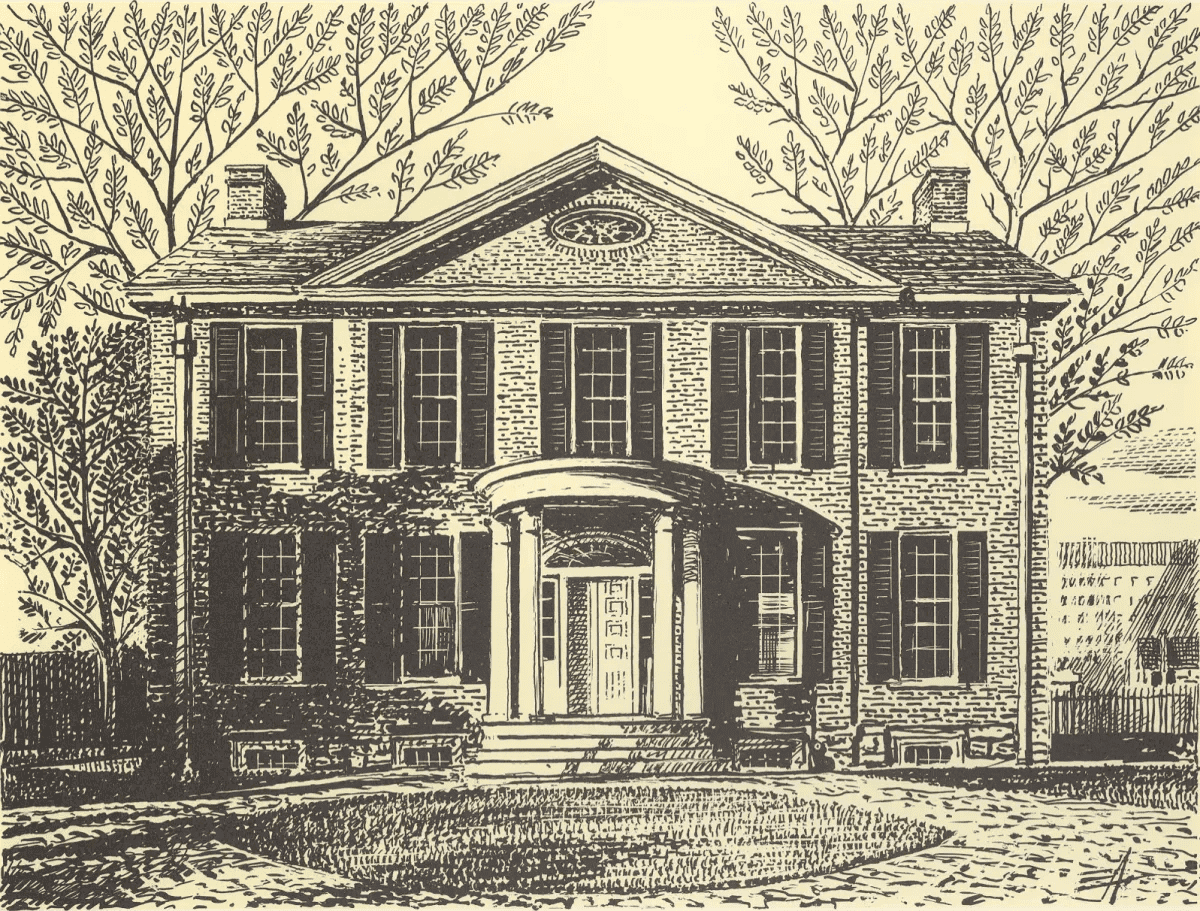
The Idea Behind Campbell House
The idea to build Campbell House came to William and Hannah Campbell after their children had grown up and become self-reliant. Seeking a source of joy and excitement in their lives, they decided to construct the home. In 1834, William Campbell passed away, and ownership of the house officially transferred to Hannah. She lived there until her death in 1844, after which the property and its contents were sold at auction, with the proceeds going to her family.
The Relocation of the Museum
In the 19th century, Campbell House served as a private residence, later housing various businesses, including offices and factories, by the early 20th century. Without proper care, the building fell into disrepair, and its final owners, Hallmark Greeting Cards, planned to demolish it to make space for a larger parking lot. The building’s fate changed when the Advocates’ Society intervened to save it.
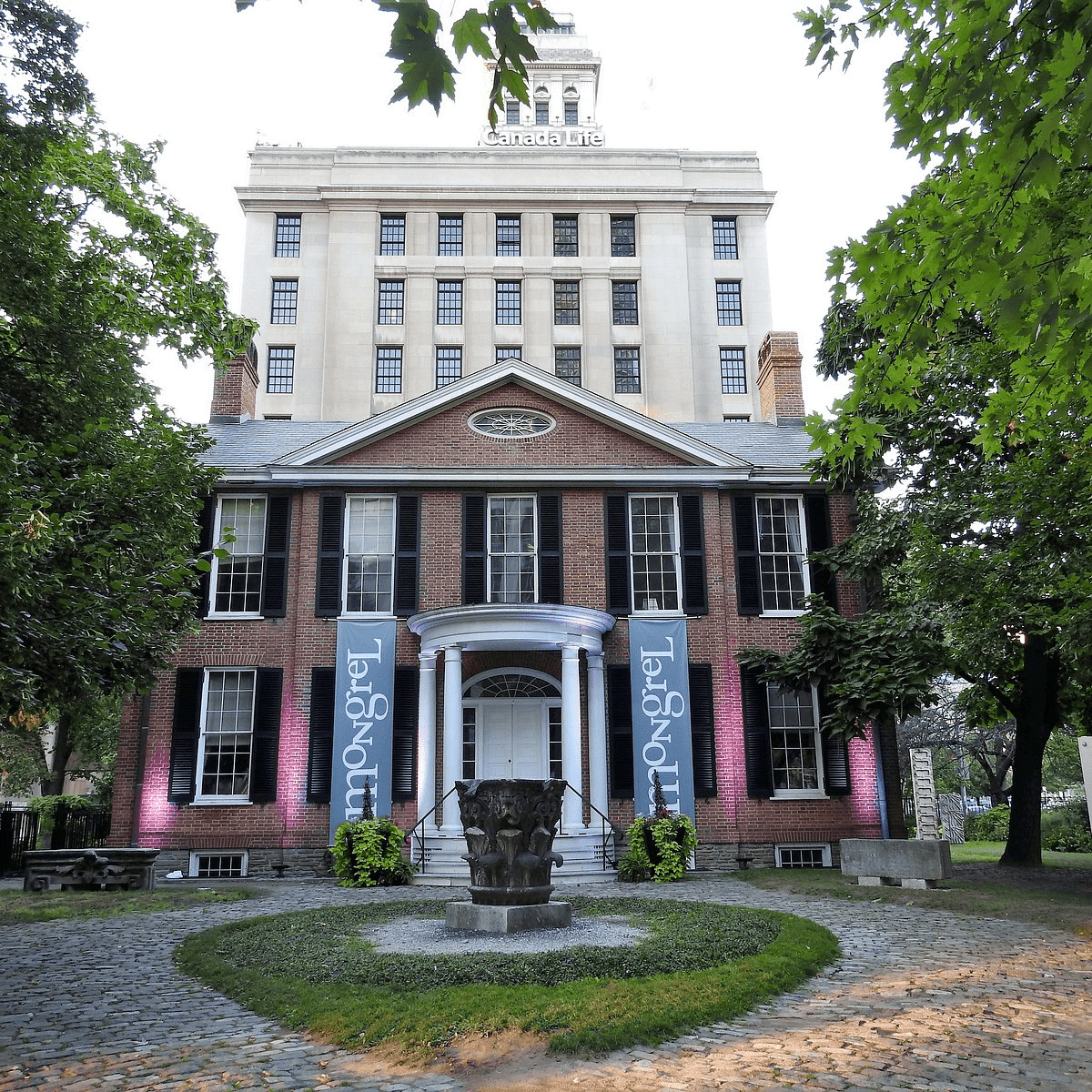
In 1972, the society relocated the house from its original site at Adelaide Street and Frederick Street to its current location at Queen and University. The relocation required the assistance of the Toronto Transit Commission, whose maintenance trucks helped move the 270-ton structure northwest for 1,617 meters (1 mile). Large crowds gathered to watch as the streets were closed for this historic move. Following the relocation, the house underwent restoration, including the addition of 19th-century artifacts and furnishings.
As of 2024, the museum is owned and managed by the City of Toronto, serving as a museum, art gallery, public exhibition space, and clubhouse for the Advocates’ Society. The museum hosts group and educational programs alongside guided tours. The monumental effort to preserve this 19th-century structure set a precedent for future historical landmarks in Toronto. It inspired the city’s residents to protect their architectural heritage, recognizing the priceless value of such historic landmarks.
During the 1950s and 1960s, 19th-century buildings were being demolished at a rapid pace. Architect Eric Arthur even predicted in his 1967 book, Toronto: No Mean City, that by the year 2000, there might not be a single 19th-century building left in the city. The relocation of Campbell House became a spectacle, symbolizing the preservation of Toronto’s architectural history.
The house is one of the few surviving examples of Georgian architecture in Toronto. Built in the Palladian style, popular during the late Georgian period, its design is inspired by classical Greek and Roman architecture. This style emphasizes symmetry (seen in the arrangement of windows, fireplaces, and doors) and grand proportions that reflect wealth and sophistication. The entrance columns, typical of Georgian architecture, create a striking and majestic appearance. The house offers visitors a glimpse into the life of one of Canada’s prominent figures in the early 19th century.
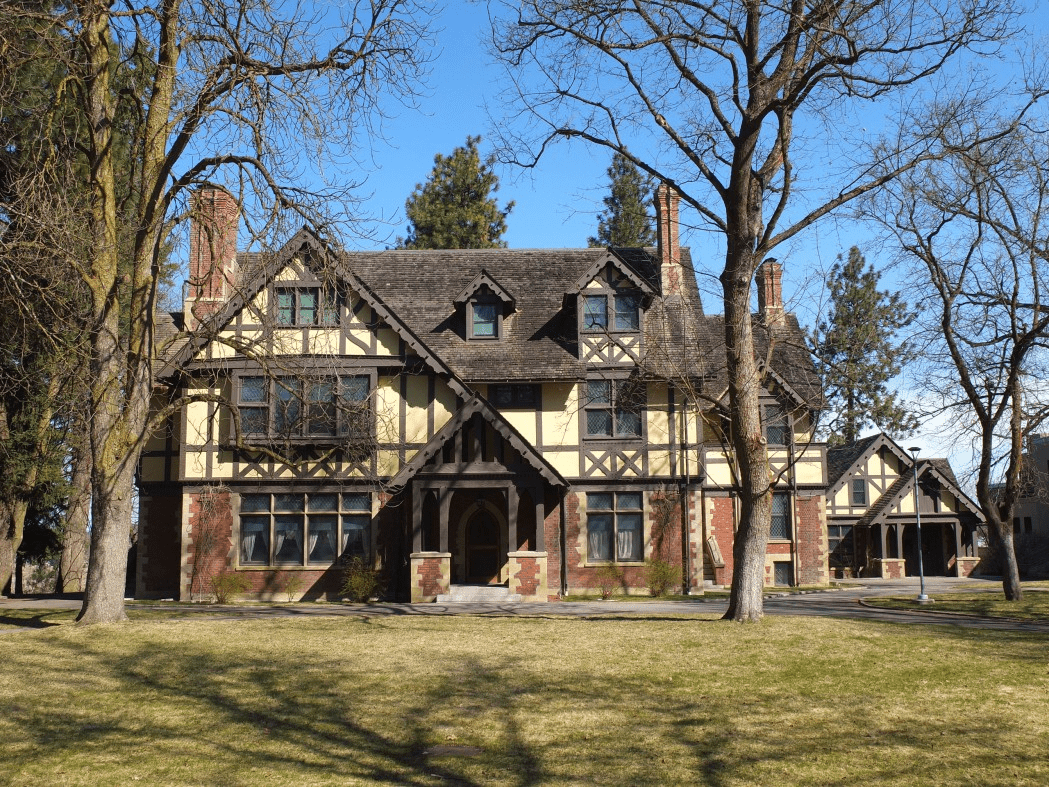
The house’s two-level interior creates a sense of drama. To the right of the dark wood-paneled vestibule lies a bright, gilded French salon, where guests once relaxed. To the left, the library’s dark wood beams and corner fireplace evoke a cozy atmosphere suitable for informal evenings or formal gatherings. Four steps lead to the grand dining room, which features a fireplace surrounded by blue-and-white Dutch tiles. In its early days, a deep veranda at the back of the house offered sweeping views of the picturesque Spokan River. Other features include a den designed in a popular Middle Eastern style, well-planned service areas, and four bedrooms on the upper floor.
After Grace Campbell’s death in 1924, her daughter Helen Campbell donated the house to the Eastern Washington State Historical Society in memory of her mother. Campbell House became a public museum showcasing historical and artistic exhibits. Following the construction of a new museum building in 1960 on the eastern lawn of Campbell House, the property regained much of its former elegance. Between 1984 and 2001, an official restoration project revamped the house’s structure, landscape, interior design, systems, and furnishings. By 2024, Campbell House operates as a house museum, offering a window into life at the turn of the 20th century.
Sources:
- https://rjtff.org/2022/06/21/campbell-house/
- https://theculturetrip.com/north-america/canada/articles/the-history-of-campbell-house-in-1-minute
- https://travelingadventuresofafarmgirl.com/2024/01/09/the-campbell-house-beauty-history-and-more/
- https://campbellhousemuseum.wordpress.com/about/campbell-house/