

Toronto is a stunningly beautiful city, celebrated for its unique buildings. It’s a place where skyscrapers harmoniously blend with historic structures. Tourists love to wander through this metropolis, capturing photos of its architectural landmarks. But do they know the stories behind these buildings? Today, we want to introduce our readers to one of Toronto’s oldest and most famous historical buildings – The Grange. Read more about it on toronto-future.com.
History of the Building
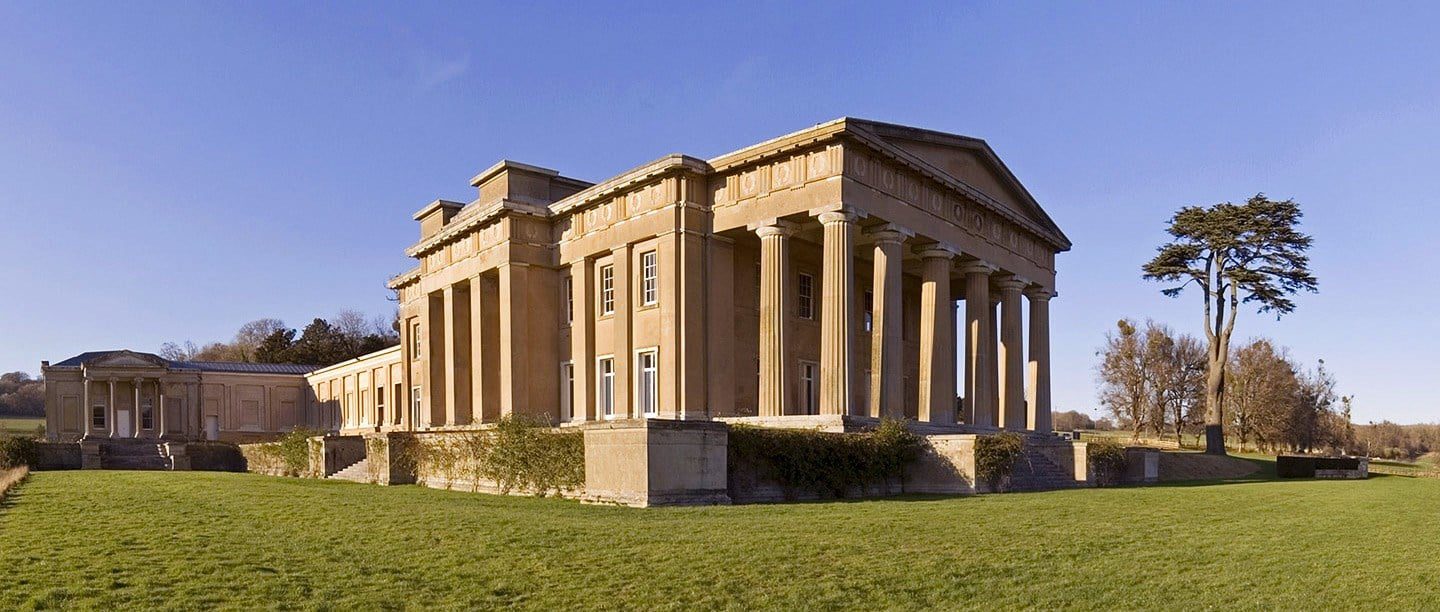
The story of The Grange begins in 1817. This house was built for D’Arcy Boulton Jr., a member of the influential Boulton family, and his wife, Sarah Anne. It’s worth noting that the estate was situated on a 100-acre parcel of land stretching from Queen Street to Bloor Street and from Beverley Street to McCaul Street. At that time, this area was on the outskirts of Toronto. Consequently, the young couple lived surrounded by forest and beautiful natural scenery.
Overall, the building was constructed in the Georgian architectural style, a symbol of status, stability, and wealth. Moreover, the estate reflected the British traditions of the era. As for its name, “The Grange” was named in honour of the Boulton family’s ancestral estate in England.
Historians note that The Grange was initially the private residence of the Boulton family. Later, the estate was inherited by their son, William Henry Boulton. Notably, he served as the Mayor of Toronto four times.
What’s Known About the Historic Estate
Back in the 19th century, this estate was a hub of Toronto’s social life. The city’s elite, politicians, and cultural figures often gathered in the house to discuss key issues concerning the development of the city and the province. It should also be added that The Grange underwent continuous additions. For instance, a new wing was added to the estate in the 1840s. In 1855, a two-storey library was built.
Understandably, such a magnificent estate couldn’t remain in private hands indefinitely. Accordingly, in 1911, the widow of the last owner transferred The Grange to the Art Museum of Toronto. The manor was then repurposed and became the Art Gallery of Ontario (AGO).
From Private Estate to Gallery
Naturally, the estate had to be converted and restored to accommodate a gallery of such a significant scale. Restoration work was undertaken to recreate the original appearance of the rooms, furniture, finishes, and decor, aiming to preserve the early 19th-century atmosphere as much as possible.
Following the renovations, the house opened to the public as part of the Art Gallery of Ontario (AGO) complex. Today, the gallery’s exhibitions span over 45,000 square metres. Interestingly, this makes it the tenth largest museum on the continent.
Overall, the gallery’s collection boasts over 68,000 works of art, ranging from classic European masters like Rembrandt, Van Gogh, Monet, and Picasso to the world’s largest collection of Canadian art. Visitors can also see a unique collection of sculptures by Henry Moore, for which a separate wing is dedicated.
As for the manor itself, its first art exhibition as part of the Art Gallery was unveiled in 1913. Of course, over time, the gallery’s spaces expanded, and the number of exhibits steadily grew.
Today, The Grange has become an integral part of the Art Gallery of Ontario. It hosts special events, exhibitions, and cultural initiatives. In essence, the building has not only retained its historical value but has also transformed into a vibrant cultural hub for Toronto, open to a wide audience. Locals and tourists alike can connect with this historic building and admire its incredible architecture.
So, that’s the story of the famous The Grange estate. We hope you found this article informative and learned something new about this remarkable city.