The Textile Museum of Canada (TMC) is renowned for its diverse collection of textiles representing various cultures and eras. Showcasing the artistry and history of fabrics, the museum’s exhibits honor the craftsmanship of weavers, dyers, and artisans. From ancient relics to contemporary masterpieces, TMC provides an enchanting journey through the world of textiles, highlighting their profound connection to human history. Explore more on toronto-future.
What Makes the Museum Unique?
The Textile Museum of Canada offers visitors a vibrant world of colors and patterns. Its exquisite collection includes textiles from across the globe, each telling a unique story through intricate designs and shades. Visitors can immerse themselves in the rich history and artistry of textiles, from ancient fabrics to modern creations. The museum celebrates the skill of craftspeople, emphasizing the cultural significance of textiles in human history.
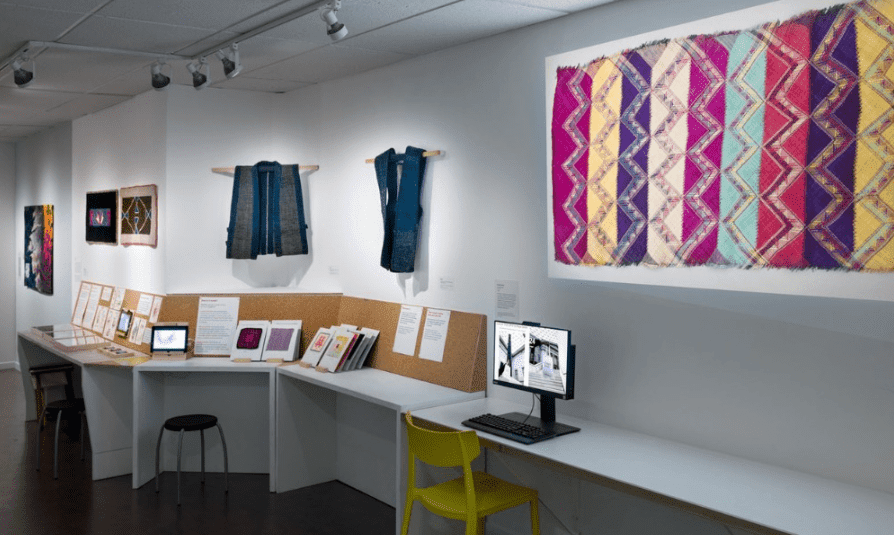
Interactive exhibits allow visitors to delve into the fascinating history of textiles, providing a deeper understanding of this ancient art form. The museum curates exhibitions of contemporary works alongside historical and ethnographic artifacts from its own and other collections. The museum also houses the H.N. Pullar Library, a resource dedicated to non-industrial textiles.
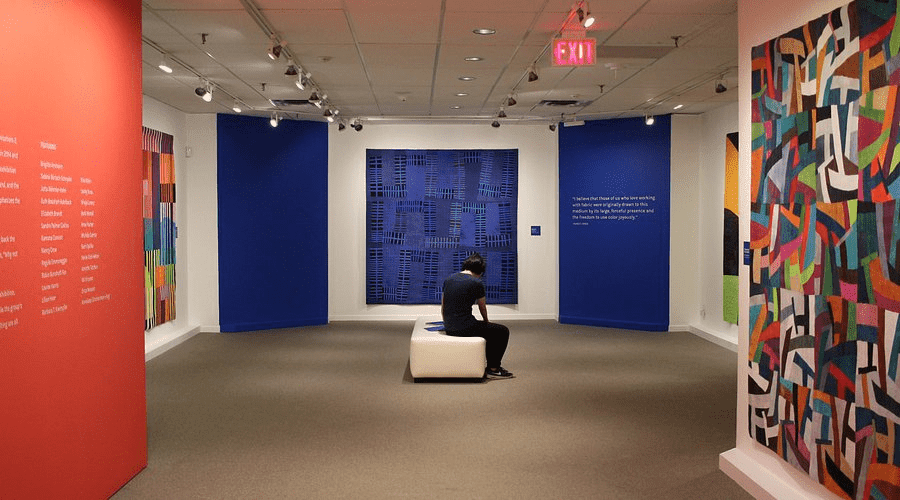
In addition to exhibitions, the museum hosts diverse events, including lectures, workshops, performances, hands-on demonstrations, school programs, and guided tours. A summer camp occasionally offers children the opportunity to engage in activities like felt applique crafting. These programs take place in the museum’s learning center.
Annually, the Textile Museum of Canada attracts over 1.2 million visitors to its iconic downtown location, making it the most visited museum in Canada. Alongside its permanent exhibitions, including the impressive Grand Hall and First Peoples Hall, the museum presents notable events focusing on Canadian and global history and cultures. These events are developed in collaboration with Canadian and international institutions. The museum also features the Canadian Children’s Museum, a 500-seat theater, and a 295-seat cinema with a massive 3D screen and dome. Its online offerings include the “Morning Star” exhibit and the Virtual Museum of New France, reflecting a commitment to cultural and historical education.

The Museum’s History
The museum was founded in 1975 by Max Allen and Simon Waegemakers as the Canadian Museum of Carpets and Textiles. Its original location was a converted ice cream shop in Toronto’s Mirvish Village. In 1989, it moved to its current address at 55 Centre Avenue. By 2024, the museum had established itself as a hub for international exhibitions of contemporary art, crafts, and design, demonstrating its dedication to cultural awareness and inclusivity.
One of the oldest known textiles, the “Tarkhan Dress,” dates back to 3482–3102 BCE. Discovered in 1913 in Tarkhan, Egypt, this linen garment provides invaluable insights into early textile-making techniques and clothing traditions. Such discoveries offer a glimpse into early human civilizations and the role of textiles in ancient societies.
The Museum’s Legacy in Toronto
The Textile Museum of Canada serves as an international repository of cultural heritage and a celebrated art museum. It highlights the work of both national and international contemporary artists. Its permanent collection features over 15,000 artifacts from more than 200 countries and regions, showcasing cultural diversity through traditional textiles, garments, rugs, and related artifacts, including beadwork and basketry. The museum offers a wide range of exhibitions based on this collection and works by globally recognized artists.
Research at the museum focuses on history, archaeology, ethnology, and cultural studies. The national collection comprises over four million artifacts, samples, works of art, written documents, and audiovisual records, with more than 218,000 artifacts accessible online.
The museum has earned international recognition for the quality and value of its collection, the excellence of its exhibitions and programming, and its award-winning digital initiatives. Today, the museum strives to push creative boundaries through innovative exhibitions and virtual spaces, ensuring that Toronto residents and global visitors alike can support and engage in contemporary artistic endeavors and cultural dialogue.
Sources:

