

In the history of global aviation, few aircraft are shrouded in as much myth, conspiracy, and genuine heartache as the Canadian Avro Arrow CF-105. It was more than just a fighter jet—it was a bold leap into the future, decades ahead of its time. For Toronto, this aircraft became the pinnacle of industrial genius; for the rest of the world, it stands as a stark symbol of how a single political decision can crush the dreams of thousands overnight, writes toronto-future.com.
The Cold War and the Threat from the North
To understand why the Avro Arrow was so crucial, you have to look back at the atmosphere of the 1950s. It was the height of the Cold War, and Canada found itself in a uniquely dangerous geographical position—sitting directly in the flight path of potential Soviet bombers that could strike North America via the Arctic.
Canada desperately needed an interceptor capable of scrambling in minutes, catching enemy aircraft at an altitude of 15 to 18 kilometres, and destroying them long before they reached heavily populated areas. The Royal Canadian Air Force (RCAF) set requirements so demanding that no existing American or British aircraft could meet them. Avro Canada, based in Toronto, rose to the challenge. What they ultimately built shocked even American and Soviet engineers.
A Technological Marvel from Toronto
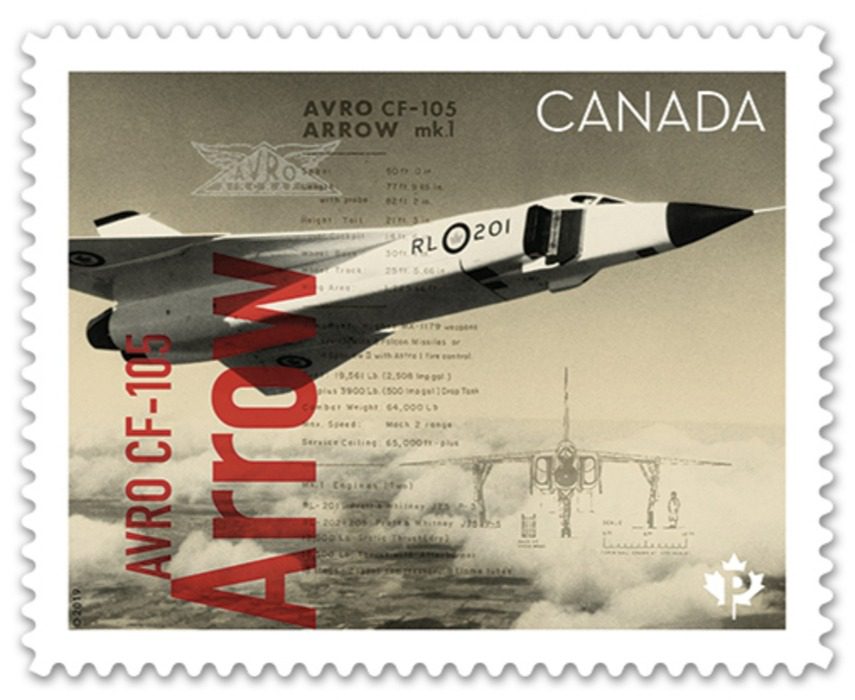
The Avro Arrow wasn’t just “another plane.” It was a true leap into the unknown. Avro Canada assembled the absolute elite of global engineering right in Toronto. Jim Floyd was the chief designer, but a fierce spirit of innovation pulsed through every department. Over 14,000 people worked at the Malton plant, and each one felt like part of a massive technological revolution.
What Made the Arrow So Groundbreaking?
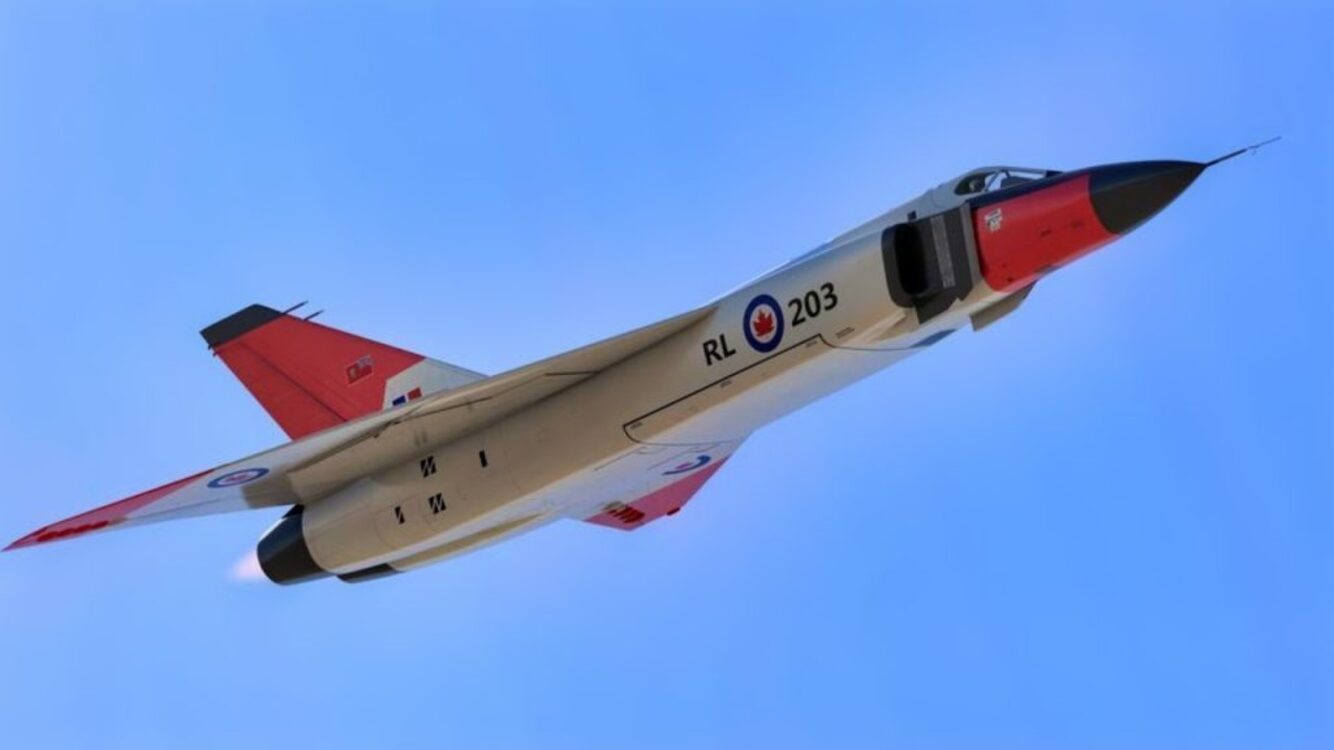
- Delta Wing and Aerodynamics. The Arrow featured a massive delta (triangular) wing, which kept it perfectly stable at supersonic speeds. At the time, this was the absolute cutting edge of aerodynamic design. The jet could hit speeds over Mach 2 (more than 2,100 km/h)—twice the speed of sound.
- Fly-by-Wire System. One of the Arrow’s most revolutionary innovations was its electronic flight control system, known as fly-by-wire. Before this, pilots flew using mechanical cables and hydraulics. Avro engineers replaced these with electrical signals processed by an onboard computer. It was a world-first for an aircraft of this class. Today, this technology is standard in every modern fighter and passenger airliner, but its roots trace back to Toronto.
- Orenda Iroquois Engines. The Canadians didn’t just build the airframe—they designed their own engines. The Orenda Iroquois was the most powerful turbojet engine of its era. It was so advanced that foreign nations literally lined up to study its design.
Avro Arrow CF-105 Specifications
| Parameter | Specification |
| Crew | 2 (pilot and weapons system officer) |
| Top Speed | Over 2,100 km/h (Mach 2+) |
| Service Ceiling | 16,000 – 18,000 metres |
| Engines | 2 × Orenda Iroquois (afterburning turbojets) |
| Thrust | ~13,000 kgf each (design specs) |
| Flight Control System | Fly-by-wire (world’s first electronic system for fighters) |
| Length | 23.7 metres |
| Wingspan | 15.2 metres |
| Takeoff Weight | Approx. 28,000 kg |
| Armament | Internal weapons bay (up to 8 air-to-air missiles) |
The Triumph of the “White Bird”
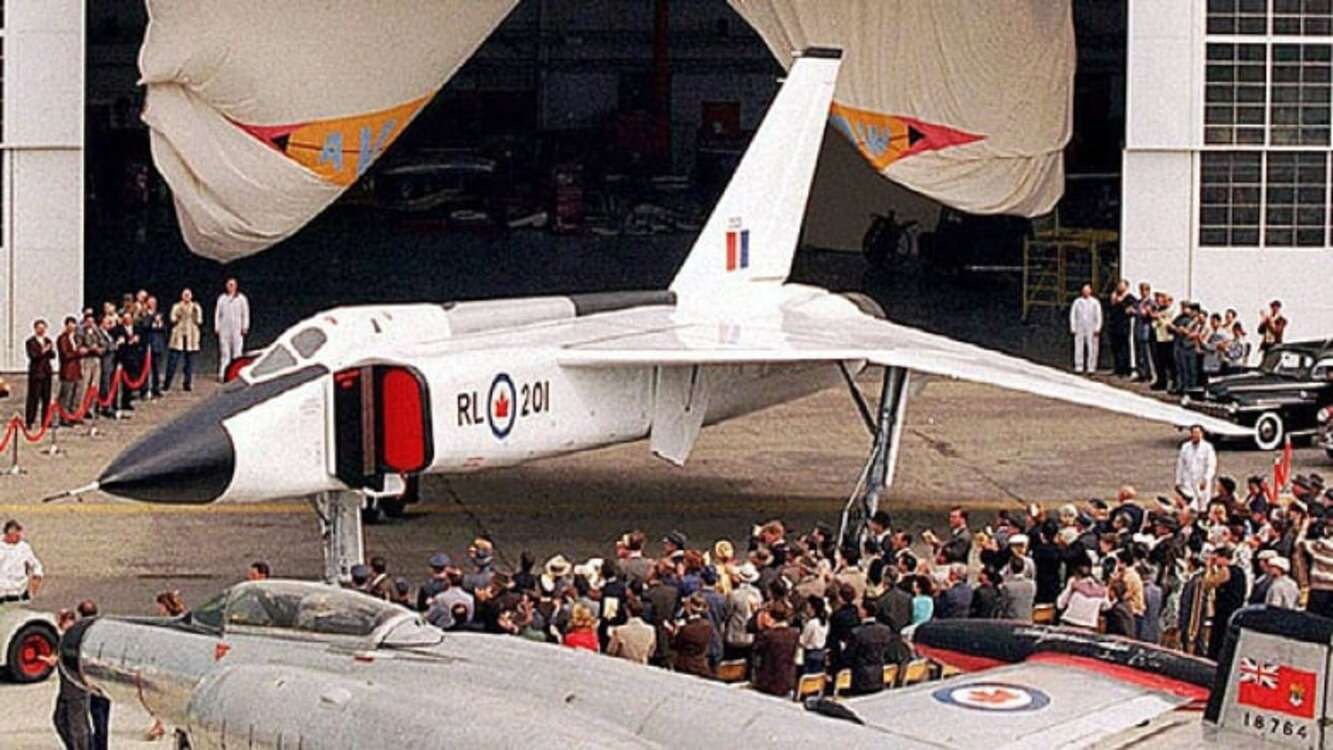
October 4, 1957, was the day the first Avro Arrow proudly rolled out of the hangar. It was meant to be a day of immense national pride for Canada. Ironically, on that exact same day, the Soviet Union launched Sputnik 1, the world’s first artificial satellite. Almost overnight, global attention violently shifted from jets to space and rockets.
Still, the Arrow’s test flights pressed on, and the test pilots were absolutely ecstatic. The massive aircraft proved surprisingly manoeuvrable and easily broke the sound barrier without even tapping into full engine power. Toronto was poised to become the undisputed aviation capital of the world.
“Black Friday”: The Day Aviation’s Heart Stopped
February 20, 1959, is forever etched into Canadian history as “Black Friday.” Prime Minister John Diefenbaker stood in Parliament and delivered a stunning announcement: the Avro Arrow programme was to be cancelled immediately.
The reasons behind this move are still fiercely debated today. Officially, the government claimed it was too expensive (the programme cost around $1.1 billion), arguing that the advent of intercontinental ballistic missiles made interceptor jets obsolete. Unofficially, there was intense pressure from the US, which didn’t want a competitor to its own domestic aviation industry, tangled with messy domestic political games.
But the worst was yet to come. The government didn’t just cancel the project—it ordered everything wiped from existence. Within weeks, five completed jets that had already flown the skies over Ontario were brutally cut into scrap metal with blowtorches. Blueprints, technical documents, scale models, and even specialized manufacturing tools were smashed or burned. It was an act of unprecedented technological vandalism, looking very much like an attempt to erase the very memory of the Arrow. In a single day, 14,000 highly skilled Avro Canada employees were laid off. Factoring in the supply chain, a devastating 25,000 people lost their livelihoods.
How Toronto Helped NASA Reach the Moon
The destruction of the Avro Arrow triggered a brain drain of unprecedented scale. Left without jobs in Canada, around 32 of the project’s top engineers moved south to the US and joined the newly formed NASA.
It’s a striking twist of fate: without the jet built in Toronto, the Americans might not have landed on the moon. The brilliant minds honed in Toronto’s school of innovation became the very backbone of the US space programme.
- James Chamberlin became a leading designer for the Gemini programme.
- Owen Maynard played a crucial role in designing the Apollo lunar module.
These Canadian engineers brought with them invaluable expertise in fly-by-wire and complex hydraulic systems, which eventually laid the groundwork for the Space Shuttle. It’s safe to say that without the pioneering experience gained at Malton while building the Arrow, putting a man on the moon wouldn’t have happened so quickly. Toronto lost its jet, but its intellect ultimately conquered space.
Mysteries and “Ghosts” of the Arrow
Today, the Avro Arrow has a genuine cult following in Canada. Because the aircraft were so thoroughly destroyed, countless legends have sprung up around them. The most famous is the myth of the “sixth plane,” which supposedly took off from the Malton base just minutes before the scrap crews arrived, and is now hidden away in a secret hangar. However, no solid evidence of this has ever been found.
At the Canada Aviation and Space Museum in Ottawa, you can view the nose section of one of the jets—still bearing the harsh scorch marks from the blowtorch used to dismantle it. It remains one of the most emotional museum exhibits in the entire country.
In recent years, the Raise the Arrow group has been conducting extensive searches on the bottom of Lake Ontario. This is the exact area where nine free-flight scale models of the Arrow were launched using Nike rockets during early testing. Every recovered piece of debris makes headline news in Toronto; for locals, it’s not just rusted metal—it’s their stolen pride.
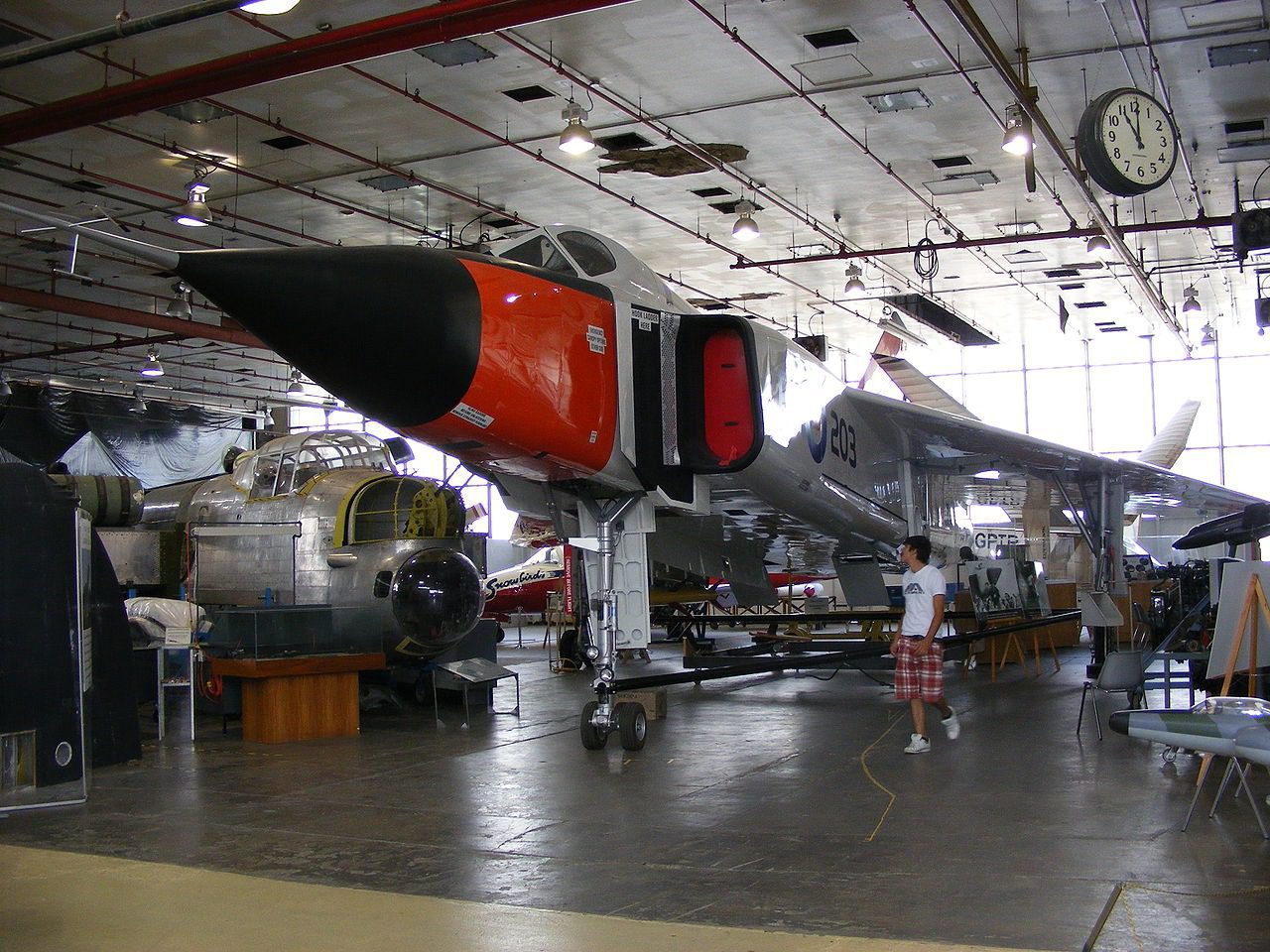
In the 1990s, a group of dedicated volunteers in Toronto decided to right a historical wrong. They built a full-scale replica of the Avro Arrow, which can now be seen at the Canadian Air and Space Museum. Standing next to this behemoth is the only way to truly grasp the sheer scale and ambition of the vision.
Why the Avro Arrow is a Lesson for the Future
The story of the Avro Arrow is about much more than just aviation. It’s about having the courage to dream big. It proves that innovation requires more than just brilliant engineers (which Toronto had in spades)—it requires political will and a deep understanding of the strategic value of homegrown technology.
Today, the aerospace sectors in Toronto and Mississauga continue to thrive, built firmly on the foundation laid during those glorious days of the 1950s. We see the Arrow’s legacy living on in Bombardier’s cutting-edge developments and the iconic robotics of the Canadarm.
The Avro Arrow stands as a lasting symbol that our city is capable of creating world-class technology. It serves as a sobering reminder: innovation is fragile. It must be fiercely protected, so that it doesn’t end up as just another legend of a “White Bird” that never reached its true destination.