

The Second World War is an unhealed wound of the 20th century. This war shook the entire world, and Canada was no exception. Fortunately, our country was spared enemy bombardment, but Canada took an active part in the war. The male population was mobilized, and local industries worked day and night to supply the front with necessary shells, equipment, and ammunition. Today, however, we will talk about the press during the Second World War. In those years, Toronto was an important media centre in Canada. The city was home to predominantly English-language publications. Read more about this on the toronto-future.com.
“The Toronto Star” – The Region’s Most Influential Newspaper
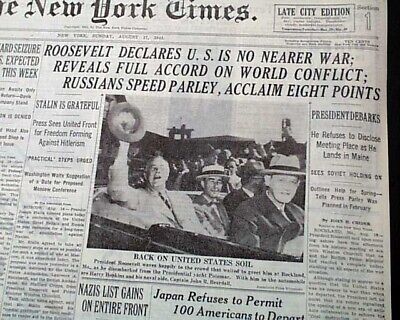
As you may have already gathered, Toronto was a hub of industrial production, but our city also made sure to keep the public informed about events at the front. After all, information plays a crucial role during a war.
“The Toronto Star” was a well-known and popular city newspaper. During the war, the publication served as an informational and mobilization tool.
It is worth noting that even before the Second World War began, the newspaper published materials condemning Hitler’s policies. The articles were so sharp that the newspaper was banned in Nazi Germany in the 1930s.
During the war, “The Toronto Star” featured reports on key battles and the participation of Canadian troops in military operations. Naturally, the newspaper’s pages also told of the heroic deeds of Canadians.
“The Toronto Star” didn’t just feature articles about war and politics. It also aimed to please local residents with useful tips. For example, many enjoyed the wartime culinary recipes. With food shortages being a reality of the war, city residents couldn’t prepare their traditional dishes. The newspaper, however, offered interesting recipes and tips on which ingredients could be substituted.
Incidentally, Joseph Atkinson remained the editor-in-chief of “The Toronto Star” throughout the entire Second World War. He had actually been working as an editor since 1899.
The Globe and Mail: An Independent News Source During the War
“The Globe and Mail” was another famous Toronto newspaper that wrote about the hardships of the war. It was founded in 1844 by Scottish immigrant and politician George Brown. Along with a group of Reform Party supporters, he launched a four-page weekly in Toronto called “The Globe.” The newspaper later grew into a daily publication.
In 1936, “The Globe” merged with the conservative newspaper “The Mail and Empire.”
During the Second World War, this newspaper covered government policy, the economic aspects of the war, and international relations. This publication was considered the official voice of the Canadian elite.
However, it’s worth noting that its reports were often accompanied by analytical commentary on the strategic goals of the Allies and Canada’s role in the fight against Nazism.
The newspaper’s pages often featured articles about the reorientation of industry for military needs and various economic aspects. The civilian population was urged to be economical and to participate actively in work at plants and factories. Incidentally, articles were also published during the war about women in factories who were performing men’s jobs.
“The Mail and Empire” performed an important function: it tracked the fates of prisoners of war and helped families find information about the missing.
As you can see, not many newspapers operated in Toronto during the Second World War, as most of the workforce was concentrated in industrial facilities. However, these two publications (“The Mail and Empire” and “The Toronto Star”) helped city residents learn more about the developments in the war and about news at the local and international levels.