

Museums are cultural institutions found in every city. They offer a chance to learn more about the history of the city and country, and how the region’s culture and traditions developed. Toronto is no exception; this metropolis boasts many fascinating and unique museums. Both locals and tourists enjoy visiting these establishments to discover the history of Toronto and the Ontario region. Today, we’ll delve into the history and development of the Toronto Railway Museum, which showcases the city’s rich railway heritage. Find out more on toronto-future.com.
What We Know About the Museum
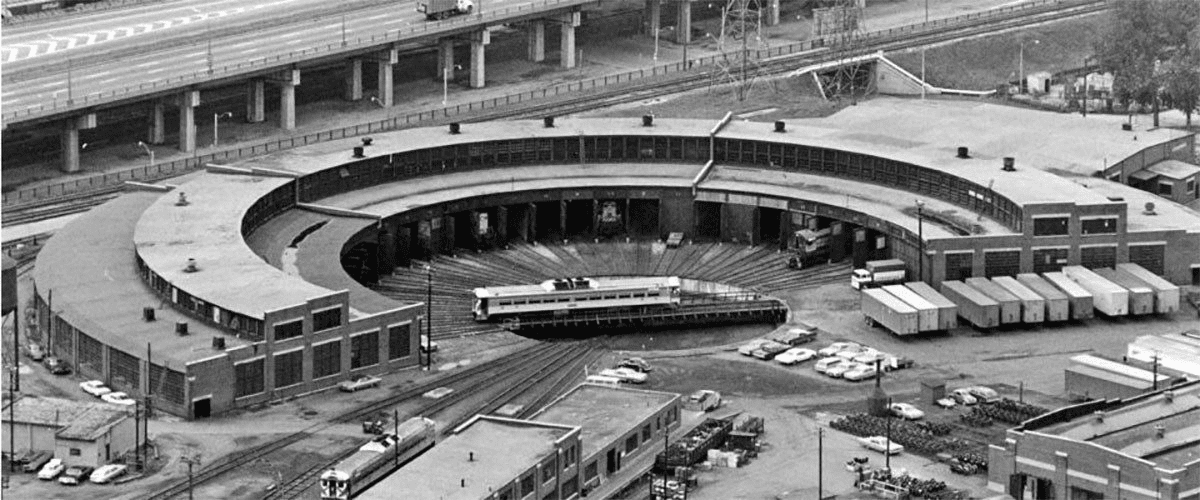
The Toronto Railway Museum is located in the former John Street Roundhouse, which is a National Historic Site of Canada.
The idea to create a railway museum came from several activists of the Toronto Railway Historical Association (TRHA). Starting in 2001, they began collecting various artifacts and gradually restoring the city’s historic railway sites. Nine years later, in 2010, the museum officially opened in Stall 17 of the roundhouse. This offered Torontonians a chance to see how Toronto’s railways had transformed over the years. The museum’s format was both unique and engaging, as it powerfully demonstrated Toronto’s evolution from a small provincial town into a bustling metropolis.
First, the museum restored the turntable. This key piece of railway technology allows for the demonstration of historic locomotive movements. Next, they decided to create a public outdoor exhibition space, Roundhouse Park. Here, visitors can see Steam Locomotive No. 6213, a railway post office car, and a miniature railway for children’s rides. As you can imagine, the children were absolutely thrilled.
What Makes the Museum Special
Today, the Toronto Railway Museum stands as a unique institution dedicated to railway history. Visitors are invited not only to view fascinating exhibits but also to participate in workshops and thematic exhibitions. Furthermore, the museum offers tours to nearby historic sites such as Union Station or the Steam Whistle Brewery. The museum’s collection is constantly expanding: they are restoring 1930s railway cars and creating an oral history archive featuring the stories of railway workers.
At the Toronto Railway Museum, you can see unique exhibits such as: Steam Locomotive No. 6213, one of the largest items displayed outdoors in Roundhouse Park; the Toronto-Hamilton dining car and the Sans Pareil business car (1896); Canadian Pacific Locomotive No. 4803 and various CP Rail cars, including freight and passenger models.
In terms of architectural highlights, the museum features the John Street Roundhouse itself – a former 1929 locomotive depot with its turntable, now housing locomotives. Visitors can also see Don Station, a historic station that has been converted into a gift shop.
Additionally, there are signal systems and switchmen’s cabins illustrating railway infrastructure operations, photo opportunities with model trains, archival documents, and video materials about the “golden age” of railways. The miniature train, a huge hit with children, deserves special mention.
The history of Toronto is both fascinating and eventful. From a small town, Toronto has grown into a beautiful metropolis. The city’s story can be clearly traced through museums like the Toronto Railway Museum. This unique cultural landmark is not only educational but also incredibly engaging, attracting visitors of all ages, from adults to young children.
So, that’s the story of the creation and development of the Toronto Railway Museum. We hope you’ve learned a lot of new information about Toronto’s history.